Women’s Volleyball Is Building the Future Through Community, Access, and Athlete Pathways
Volleyball is having a moment, but the most important story is not only what is happening on the professional court.
The real opportunity is the ecosystem forming around the sport. Youth clubs, professional teams, former athletes, working mothers, entrepreneurs, coaches, families, and local communities are all becoming part of a larger volleyball pathway. When that pathway is built with intention, the sport becomes more than a competitive outlet. It becomes a lifelong community.
The future of women’s volleyball will depend on more than elite talent at the top. It will depend on whether the sport can connect youth participation, professional opportunity, community leadership, and authentic career pathways into one clear structure.
The Core Problem or Opportunity
For years, volleyball in the United States had a visibility gap.
The sport produced elite athletes, passionate youth communities, strong college programs, and international professional opportunities. But the pathway from youth volleyball to long term professional possibility was not always easy to see. Many young athletes could love the game, train seriously, and compete at a high level without seeing a clear domestic professional future.
That is beginning to change.
League One Volleyball, also known as LOVB, represents a different model because it is not simply a professional league placed on top of the sport. It is designed as a volleyball ecosystem, built from youth clubs, community relationships, and professional teams. Its stated idea of “volleyball for life” matters because it frames the sport as something athletes can grow through, return to, work in, and help lead.
That creates a major opportunity. Volleyball can become a sport where young players see the full arc: learn the game, compete, develop, watch professionals, understand leadership, and eventually find their own place in the sport, whether as players, coaches, club directors, business leaders, or advocates.
Why This Matters Now
Women’s sports are gaining momentum across media, investment, attendance, and fan interest. But lasting growth requires infrastructure.
A professional league can generate excitement, but excitement alone does not build a sport. Communities do. Clubs do. Coaches do. Families do. Local gyms do. Athletes who stay connected after their playing days do. Leaders who understand both the business and the identity of the sport do.
That is why LOVB’s youth to pro model is timely. The league’s professional side gives fans and young athletes visible role models. Its club network gives the sport local roots. Its leadership model creates a bridge between athletic experience and business execution.
The sport also has a chance to reach new audiences through compelling athlete stories. Professional players such as Juliann Fawcett, Maddie Skinner, Asia O’Neill, and Jordan Thompson represent different forms of excellence: power, grace, presence, leadership, and the ability to inspire younger athletes watching from club gyms around the country.
When a young player can see a professional athlete who looks like a future version of herself, the sport becomes more tangible.
What the Evidence Shows
A real volleyball ecosystem starts at the grassroots level
A professional league becomes stronger when it is connected to youth communities. LOVB’s structure includes roughly 90 to 100 clubs, thousands of coaches, and tens of thousands of family members across the country. That scale creates more than a player pipeline. It creates a shared identity.
On the youth side, regional leadership means working directly with club directors, coaches, programming, personnel, tournaments, growth strategy, and local expansion. That work is not glamorous in the same way as a championship match, but it is essential.
A club is often the first place an athlete learns how to compete, communicate, respond to coaching, handle pressure, and build confidence. If those clubs are well managed and well resourced, the entire sport benefits.
The lesson is simple: professional growth and youth development should not be treated as separate projects. They are connected parts of the same future.
Strong communities need trusted leaders
A great sports organization often starts with a great local leader. That is especially true in youth sports, where families are trusting clubs with their children’s development, time, confidence, and long term relationship with the sport.
Club leadership requires more than scheduling practices and tournaments. It requires hiring coaches, solving personnel issues, creating programming, supporting families, managing growth, and maintaining a culture where athletes feel protected and challenged.
That kind of work depends on trust.
For leaders entering a new sports environment, authenticity matters. A polished corporate style may not always build connections inside a grassroots sports community. The better path is to lead with natural strengths, listen first, understand where people are coming from, and be comfortable not always having the answer.
Authentic leadership does not mean having less professionalism. It means building trust without pretending to be someone else.
Former athletes can become powerful builders
Many athletes eventually reach a crossroads. The playing career ends, but the identity, discipline, knowledge, and love of the sport remain.
Kristen Dozier Williams’ path reflects that transition. After playing volleyball at Ohio State and professionally overseas, she founded Dozier Performance Volleyball with her sister. The business focused on foundational training, individual and group work, camps, clinics, and athlete development in the Washington, D.C. area, where volleyball still had room to grow.
That early entrepreneurial chapter revealed something important: athlete experience can become business insight.
Running a volleyball training business requires understanding customers, margins, equipment investment, programming, service quality, and operations. It also requires knowing what athletes need because the founder has lived the sport from the inside.
This is one of the strongest opportunities in women’s sports. Former athletes are not only ambassadors. They can become operators, strategists, entrepreneurs, and builders.
Career growth often requires trusting the leap
Career journeys rarely move in straight lines.
After volleyball, business school, and consulting, the move into a sports startup environment came with risk. Leaving a stable corporate role for an early stage volleyball organization during the uncertainty of COVID was not an easy decision. Passing on the first opportunity created regret, but it also sharpened the lesson.
Sometimes the right opportunity comes before the timing feels perfect. Sometimes the work is already aligned with identity, values, and long term purpose, but fear makes the leap harder.
The lesson is not that every risk should be taken immediately. The lesson is that people should pay attention when a path connects deeply with who they are. A career built around authentic strengths often creates more energy than one built only around safety.
For aspiring sports professionals, that matters. The right role may not look obvious on a job board. It may emerge through relationships, curiosity, mentorship, and the willingness to ask questions before everything feels certain.
The best athlete pathways value academics and preparation
A strong playing career does not last forever. That reality should not be treated as discouraging. It should be treated as preparation.
At Ohio State, academic resources helped athletes succeed, but the environment also mattered. Being surrounded by teammates who valued learning helped create expectations. Volleyball was not only about training and matches. It was also about preparing for life after competition.
That mindset is essential for young athletes. Sport can open doors, build discipline, and create opportunity, but learning remains a gift. The athletes who prepare for the next chapter while competing in the current one are better positioned when the game changes.
This is where youth clubs, college programs, and professional leagues can work together. The goal should not only be to be better players. The goal should be more prepared people.
Innovation changes how a sport feels
Volleyball has already been shaped by major rule changes. The move from side out scoring to rally scoring made the sport faster, clearer, and more fan friendly. Instead of points only being available to the serving team, every rally could change the score. That made the game easier to follow and more engaging to watch.
The introduction of the libero also changed volleyball in a major way. By creating a specialized defensive role, the sport improved serve receive, floor defense, and overall ball control. The libero became something like the quarterback of the defense, giving teams a dedicated presence to organize the back row and absorb pressure.
These are examples of innovations in sports that worked because they made the game more watchable while preserving the sport’s identity.
Future volleyball innovations may come through formats as much as rules. A golden set structure can add urgency and create a winner takes all feel. Experimental formats such as nine player volleyball could create curiosity and showcase different dynamics. The key is that innovation should make the game more exciting without disconnecting it from what athletes and fans already love.
NCAA Tournament expansion shows the risk of change without a real problem
Not every sports innovation is equally strong.
The approved expansion of the NCAA basketball tournaments from 68 to 76 teams creates a useful contrast. The format adds more opening round games, including games for both at large teams and automatic qualifiers. The familiar first Thursday schedule remains intact, which protects one of the tournament’s most beloved traditions.
But the broader question remains: what problem is expansion solving?
There has not been a serious issue of teams left out of the field having a legitimate claim as the nation’s most deserving champion. Expansion may create more revenue, and Dayton plus another opening round host city may benefit economically, but the change does little to improve the legitimacy of the championship or the entertainment value for most fans.
It may also create new complications. More teams and fan bases will be stuck waiting for opening round results before making travel plans. More players may view opening round placement as disappointing rather than celebratory. In an era of player compensation and transfer movement, it is not impossible to imagine some players opting out if they see the opening round as less meaningful.
That is the core test for rule changes: does the change solve a real problem, or is it a solution searching for one?
Key Lessons or Strategic Takeaways
Build the ecosystem, not just the spotlight.
Professional visibility matters, but lasting growth comes from youth clubs, families, coaches, and local communities. The practical implication: women’s sports leagues should invest in grassroots infrastructure as seriously as they invest in elite competition.
Authentic leadership builds trust faster than polish.
Sports communities respond to leaders who listen, understand the culture, and lead from real strengths. The practical implication: leaders moving from corporate environments into sports should adapt their style without losing their standards.
Former athletes are builders, not just storytellers.
Athletes carry technical knowledge, discipline, networks, and credibility that can become business value. The practical implication: sports organizations should create more pathways for former players to lead, operate, coach, and scale programs.
Innovation must protect the sport’s identity.
Rally scoring and the libero worked because they made volleyball stronger without making it feel less like volleyball. The practical implication: new formats should improve pace, clarity, and excitement without confusing the audience.
Career leaps require curiosity and courage.
The right opportunity may feel risky because it is connected to identity and purpose. The practical implication: aspiring sports professionals should seek conversations, ask for guidance, and follow the signals that keep returning.
Practical Application
Anyone building in youth sports, women’s sports, or athlete development can use a simple framework:
Connect the pathway. Make it clear how young athletes can move from first touch to advanced training, college opportunities, professional inspiration, and lifelong participation.
Invest in local leadership. Identify the people who understand the community and can build trust with families, coaches, and athletes.
Create visible role models. Put professional athletes, working mothers, former players, and business leaders in front of young athletes so they can see multiple versions of success.
Support the whole athlete. Academic growth, character development, confidence, and career preparation should be part of the athlete journey.
Test innovation carefully. Ask whether a new format, rule, or event improves the experience for players and fans. Novelty alone is not enough.
For individuals trying to enter sports business, the application is just as clear. Stay curious. Ask people about their paths. Request a short conversation. Look for people whose work reflects something you recognize in yourself. One conversation may not answer every question, but it can point to the next step.
Final Thoughts
Volleyball’s future will not be built by professional matches alone. It will be built by the ecosystem around them.
The sport needs clubs that serve families well, coaches who develop athletes with care, professional teams that inspire the next generation, and leaders who understand how to connect business strategy with athletic identity. It also needs former players who are willing to turn their experience into opportunity for others.
The strongest sports communities are not built for a single season. They are built for life.
About Kristen Dozier Williams
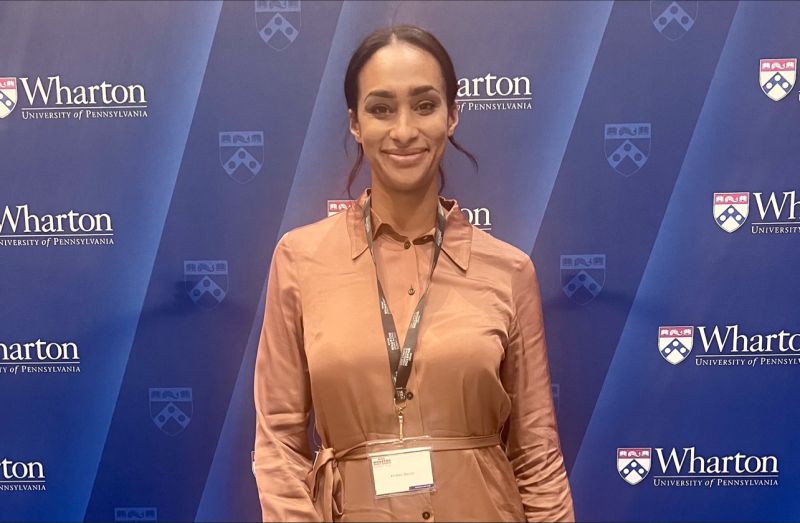
Kristen Dozier Williams is a regional club leader for League One Volleyball, also known as LOVB. A former Ohio State volleyball player and professional athlete, she has experience as an entrepreneur, consultant, and youth volleyball leader. Her work focuses on supporting club directors, coaches, athletes, and communities within LOVB’s growing youth to pro volleyball ecosystem.
Coaching Leadership: Why Better Basketball Starts With Greater Participation