Coaching Leadership: Why Better Basketball Starts With Greater Participation
A coach can build a successful career by knowing when to step forward. Sustaining that success also requires knowing when to give someone else room to lead. That second skill can be harder to recognize because it often shows up in another person’s confidence, decisions, and opportunities.
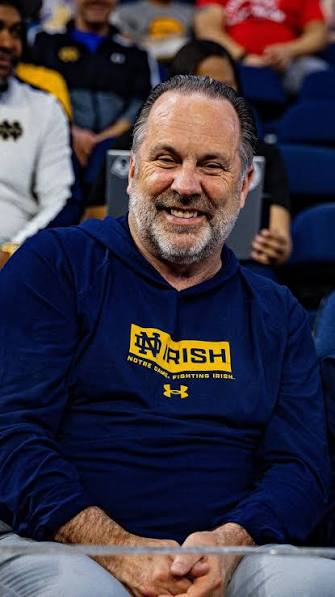
Mike Brey’s coaching career offers a useful example. From leading Notre Dame basketball and advising an NBA coaching staff, his work has repeatedly involved helping people become more capable. His approach starts with a question that applies well beyond sports: “How do we give confidence to young people?”
His brother Shane approached basketball development from a different direction. Running a basketball academy, he noticed that growing attendance meant too many children were waiting for access to a basket. His response eventually became 360 Hoops, a three-basket system and circular game designed to involve more players.
These two paths connect around a practical idea. Better basketball depends on giving people meaningful opportunities to participate, make decisions, and develop confidence. Coaches can create those opportunities through leadership, and innovators can build them into the way a game is played.
The Opportunity: Make Participation Meaningful
Being present on a team doesn’t guarantee meaningful involvement. An assistant coach can attend every meeting without having much responsibility, and a young player can spend an entire practice waiting in line. Both may be included in the organization while receiving limited opportunities to develop.
Brey’s approach to coaching leadership addresses that gap directly. He emphasizes listening, teaching, and giving assistants a voice in front of the team. Those actions create opportunities for people to exercise judgment while still benefiting from an experienced coach’s support.
Shane’s basketball innovation addresses a similar problem through game design. In his experience coaching youth basketball, the fastest player with the strongest dribbling skills could dominate a trip down a full-length court. Other children might struggle to keep up, leaving them with little involvement in the play.
The challenge is to examine what people actually get to do. Are they making decisions, handling the ball, contributing an idea, or taking responsibility? Development becomes more likely when participation includes something substantial.
Why This Matters Now
Different levels of basketball create different demands, but the need to involve people remains consistent. Brey describes working with an Atlanta Hawks coaching staff of approximately 20 people, compared with the much smaller groups he knew earlier in college coaching. A larger staff brings more expertise, more ambition, and more relationships to manage.
His role has consequently expanded beyond direct instruction of players. He helps younger coaches think through career opportunities and supports Quin Snyder in managing the staff. Experience becomes valuable because it helps other people use their own abilities more effectively.
At the youth level, Shane encountered a different capacity problem. More children were attending his academy, but the available baskets hadn’t increased with them. That made participation an immediate operational issue, with children waiting instead of playing.
Neither challenge can be solved simply by asking everyone to try harder. Coaches need to distribute responsibility, and program designers need to examine how space, equipment, and rules affect involvement. Leadership and sports innovation become practical tools for changing those conditions.
What the Brey Brothers’ Experiences Show
Career Fit Creates Room to Develop
One of Mike Brey’s most revealing career decisions was passing on Auburn before accepting the head coaching position at Delaware. An SEC job carried obvious prestige, but he didn’t believe Auburn offered the right fit. Delaware placed him in a familiar region, near recruiting relationships he’d developed, with institutional support he trusted.
He also recognized the value of learning in an environment where early mistakes wouldn’t receive the same national attention. His years at Duke had prepared him for leadership, but taking charge of a program would still require growth. Delaware gave him conditions in which he believed he could do that work effectively.
That decision offers a concrete lesson for aspiring sports professionals. Evaluate an opportunity by the responsibilities, support, relationships, and learning conditions it provides. A prestigious title has limited value if the surrounding environment makes it difficult to succeed.
Confidence Grows Through Responsibility
Brey’s time at Duke helped establish his view of staff development. Mike Krzyzewski wanted assistants who aspired to become head coaches and gave them exposure to different parts of the program. By the time Brey left for Delaware, he’d gained experience across a range of responsibilities.
As a head coach, he carried that approach forward. He learned to delegate, give assistants a voice, and ask about their ambitions. Helping someone prepare for a head coaching opportunity became part of his responsibility, even when it meant losing a valued staff member.
That kind of leadership requires security. Giving another coach responsibility means accepting that their judgment and delivery may differ from your own. It also gives them a chance to build the confidence that comes from doing consequential work.
Experienced Players Need Space to Lead
Brey’s reflections on Notre Dame’s 2011 team show how the same principle applies to players. He describes an experienced group with strong leadership, including Ben Hansbrough. Their maturity allowed him to give them more input into practices, travel, and other team decisions.
He learned to let them play without intervening at every opportunity. The players had demonstrated that they could handle responsibility, and his approach adjusted accordingly. He credits that group with teaching him as much as he taught them.
The lesson is to connect autonomy with readiness. A coach needs to recognize when instruction helps and when additional control interferes with capable people doing their work. Developing leadership includes allowing others to practice it.
Game Design Can Give More Players a Role
360 Hoops makes participation part of the playing structure. The game uses a circular court around three baskets, with three teams rotating through offense, defense, and a waiting position. Only two teams are on the court at a time, and the rotation gives each team opportunities on offense.
Players must complete three passes before attempting a shot. That rule creates a reason to move the ball, while the three available baskets give players multiple directions to attack and defend. Shane sees those features as ways to encourage movement without the ball and defensive communication.
The format also reduces the need to travel the length of a traditional basketball court. More of the action takes place within reach of the players involved. The intended result is a game in which more children can contribute to each possession.
Innovation Improves Through Use
The original three-basket concept began as a teaching tool. Children experimenting around an early prototype helped reveal its potential as a game. Shane then sought feedback from coaches, officials, physical education teachers, and players to develop the format further.
The equipment also changed through repeated prototypes. Moving it, setting it up, and watching people play exposed practical details that needed refinement. Those observations informed adjustments to the base, weight, and playing experience.
This is what moving from idea to implementation requires. An appealing concept needs to withstand actual use, and the people using it provide evidence about what works. Feedback becomes most useful when it leads to a specific improvement.
Four Lessons for Coaches and Sports Innovators
Choose conditions that support growth. Brey’s Delaware decision shows why career fit deserves serious attention. Before accepting a role, assess whether its support, relationships, and responsibilities give you a credible path to success.
Give people responsibility they can exercise. An assistant’s development requires opportunities to teach, decide, and contribute. Assign a meaningful area of ownership and make sure their authority is clear to the team.
Examine who gets left out of the action. Shane’s initial problem was visible in children waiting for a basket. Watch for similar gaps in practices and games, then consider whether a rule, drill, rotation, or equipment change could improve involvement.
Let experience influence your approach. Brey gave a mature team more autonomy, while Shane refined his product through testing. Adjust your decisions when people demonstrate greater capability or actual use reveals a better approach.
Put the Ideas Into Practice
Start by observing one practice, staff meeting, or game without changing it. Notice who makes decisions, who contributes regularly, and who spends most of the time waiting. Identify one person whose participation could become more meaningful.
Then make one specific adjustment. Give an assistant responsibility for teaching a drill, invite experienced players to help shape part of practice, or change an activity so more children handle the ball. Explain the purpose and give the adjustment enough time to assess it.
Look for evidence of improvement in the behavior you intended to change. Are players moving and communicating more, or is an assistant making decisions with greater confidence? Use those observations to decide what to keep and what to refine.
Give People a Chance to Become Capable
Mike and Shane Brey approached basketball improvement through different kinds of work. One developed players and coaches through teaching, trust, and responsibility; the other reconsidered how equipment and rules could involve more children. Both paid attention to the conditions that help people contribute.
That’s a useful standard for coaching leadership and sports innovation. Ask whether your decisions create more opportunities for people to learn, act, and grow. The next improvement may begin by giving someone a meaningful role.
For more insight, listen to the companion episode on Sports Rule Pod with Nick Elam, featuring Mike Brey and Shane Brey.
Why the Best Sports Careers Rarely Follow a Straight Line