What Sports Media Can Teach Us About Building a Daily Fan Habit
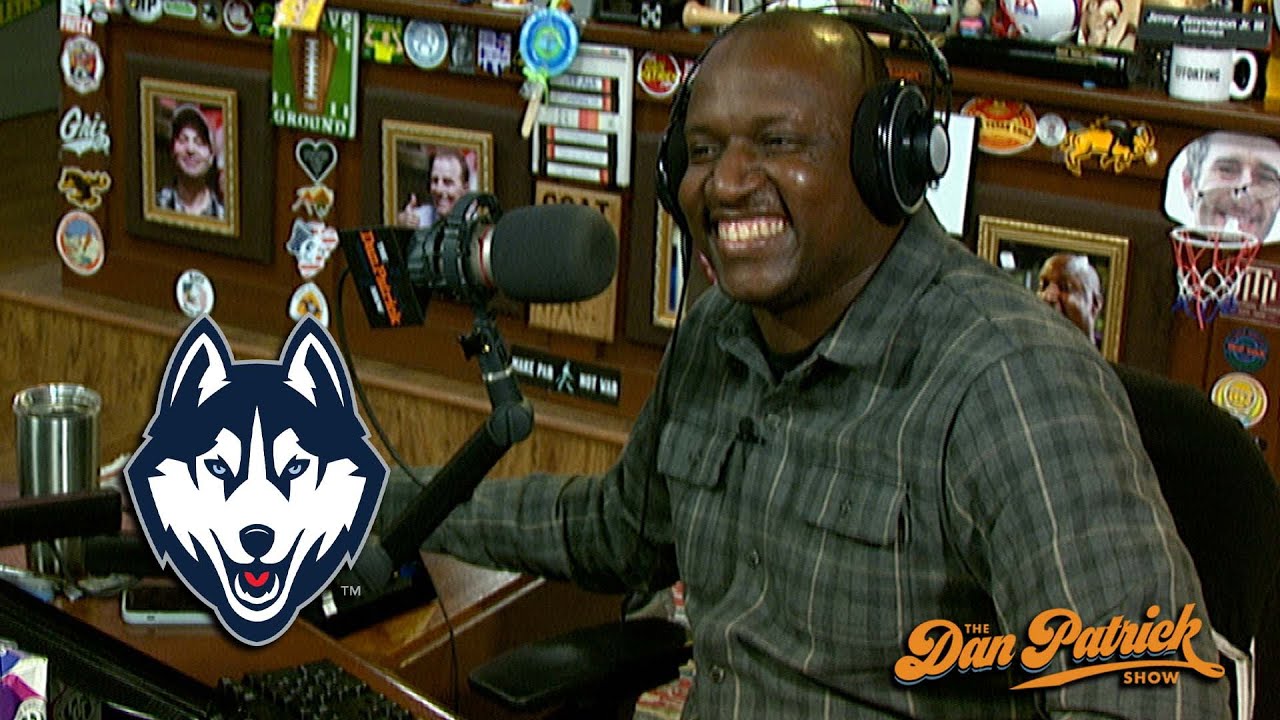
The strongest sports media brands do not win because they talk about the biggest story every day. They win because they become part of the audience’s routine.
That is harder than it sounds. Sports fans have endless choices: national shows, local coverage, team podcasts, social clips, betting shows, highlight packages, athlete accounts, and group chats that move faster than any broadcast rundown. Simply having opinions is no longer enough. The best sports media voices create a reason for fans to come back, even when the sports calendar is quiet.
The real lesson is that sports media succeeds when preparation, personality, trust, and cultural range work together. A great show is not only about breaking down games. It is about helping fans feel connected to the people, rituals, memories, and ideas that make sports part of everyday life.
The Core Problem or Opportunity
Sports media is crowded because the barrier to entry is lower than ever. Anyone can react to a game. Anyone can clip a highlight. Anyone can argue about LeBron, the Cowboys, March Madness, or the latest rule change.
The harder task is building a show, segment, or voice that people choose as part of their daily life.
That requires more than volume. It requires a consistent point of view, a clear identity, and a deep understanding of what fans actually enjoy. Fans want information, but they also want companionship. They want smart analysis, but they also want laughter, surprise, nostalgia, and a reason to care when the headline topics are thin.
The Dan Patrick Show offers a useful model. One of its core ideas is simple: every day is a Super Bowl. That mindset treats each broadcast as important because someone may be hearing it for the first time, and someone else may rely on it as a daily escape from work, errands, or routine.
That is a powerful standard for sports media voices, creators, and producers. The audience may not remember every topic, but they remember whether the work feels prepared, generous, and alive.
Why This Matters Now
Sports media is no longer limited to a few national platforms. The modern fan can follow a team through live broadcasts, short form video, newsletters, radio, podcasts, YouTube, social posts, and direct athlete content. That abundance creates opportunity, but it also raises the bar.
The safest sports media strategy is often the least memorable one: talk about the same stars, the same teams, and the same national arguments everyone else is covering. Those topics matter, but they cannot carry a distinctive brand on their own.
The more durable opportunity is to create a sports media voice that can move beyond the obvious while still serving the fan. That might mean talking about Paolo Banchero when other national shows are not focused on the Orlando Magic. It might mean using the Oscars, the Rock and Roll Hall of Fame, or a debate about whether New Jersey is a great state to create a broader sense of entertainment. It might mean turning UConn basketball memories into a timeline of a person’s life.
The same principle applies to innovations in sports. Not every new idea deserves adoption. But every good sports idea deserves a clear test: does it solve a real problem, preserve what people love, and make the fan experience better?
What the Evidence Shows
Great sports media depends on invisible preparation
Behind any smooth sports show is work the audience may never see. Audio clips must be pulled. Rundowns must be built. Commercials must hit correctly. Topics must be organized. A three hour show needs pace, sound, timing, chemistry, and options.
That invisible work matters because it creates freedom on air. The better the preparation, the more natural the show can feel.
A sports media career often starts far away from the spotlight. ESPN Radio board work, freelance television utility work, cable wrangling at live games, and behind the scenes production can all become part of the foundation. Those roles teach timing, humility, technical awareness, and the importance of helping the whole production move.
The person who can run the board, edit audio, understand the room, and contribute when needed becomes valuable because sports media is a team effort.
Personality works when it is earned through trust
A great sports show needs voices that feel real. But personality without trust can become noise.
The Dan Patrick Show’s appeal comes partly from the way it allows different people to contribute without losing the structure of the show. The audience hears individual personalities, running bits, jokes that land, jokes that fail, and reactions that feel unscripted. That only works because the team understands the rhythm.
There is also a standard behind the fun. Every contribution has to add something. When a point falls flat, the room knows it. When a topic works, the show can stretch beyond sports without feeling lost.
That balance is important for any sports media voice. Fans can tell the difference between forced banter and real chemistry.
Range makes a sports show less predictable
Sports media can become stale when it treats the biggest league or loudest topic as the only thing worth discussing. Football may be king in American sports, but fans do not stop being curious when football season ends.
A stronger approach is to build range. Sports, movies, music, food, celebrity stories, small personal debates, and fan rituals can all belong when the voice of the show is clear. That range gives fans more reasons to stay connected.
It also makes sports feel more human. A discussion of UConn national championships becomes more than a basketball timeline when each title connects to a different stage of life: a living room in 1999, a wild college night in 2004, working at ESPN in 2011, trying not to wake a newborn in 2014, and watching later titles as a father with work the next morning.
That is why sports memories matter. They locate people in time.
Not every innovation solves a real problem
The four point shot in basketball is a useful example of a sports idea that sounds exciting until it is tested against the basic question: what problem does it solve?
Basketball already has more outside shooting than ever. A four point line near midcourt would likely be used only in desperate comeback situations. If placed closer, it could distort the value of the three point shot. If placed too far, it would be inefficient and rare.
The deeper issue is authenticity. A comeback is less satisfying if a team has to play a style that looks nothing like normal basketball. Firing repeated shots from near midcourt may create suspense, but it does not necessarily create better basketball.
That is one reason the Elam Ending remains such a useful comparison. Its core principle is that teams should be able to come back by playing legitimate basketball: getting stops, taking good shots, and continuing to score instead of manipulating the clock, fouling deliberately, or rushing ugly possessions.
The lesson is not that all radical ideas are bad. The lesson is that rule changes should produce a more natural and exciting style of play.
Some innovations are best practices, not rule changes
The idea that teams should wear only primary jerseys in the postseason is not really a playing rule. It is a best practice.
The argument is simple: postseason games become time capsules. Highlights from those games are replayed for years. They define an era for a franchise. The uniforms become part of the memory.
Game 7 of the 2016 World Series is a clear example. Cleveland and Chicago both wore alternate blue jerseys. For a game with historic weight, the visual identity could have been stronger. Cleveland in crisp white home jerseys and the Cubs in classic gray road jerseys would have made the moment look more timeless.
Alternate and throwback jerseys have value during the regular season. They create novelty. But in the postseason, primary jerseys can help preserve a franchise’s visual history.
This is what good sports innovation often looks like. It does not always require a mandate. Sometimes it only requires teams to recognize what makes big moments last.
The overlooked moment often explains the famous one
The 1982 Stanford versus Cal game is remembered for The Play: five laterals, a kickoff return, a marching band on the field, and one of the most famous calls in sports history.
But the next to last drive deserves attention because it set up the chaos. Stanford trailed 19 to 17 with 1:27 left and the ball at its own 20 yard line. John Elway, playing the final drive of his college career, faced fourth and 17 from his own 13. He completed a pass down the middle to keep Stanford alive, then followed with another throw that moved the ball across midfield.
Stanford eventually reached field goal range. Mark Harmon made a field goal from about 35 yards to put Stanford ahead 20 to 19. The decision to call timeout with eight seconds left was made with a bad snap scenario in mind. It left four seconds after the kick.
Those four seconds became enough time for one of the most unlikely endings in sports history.
That is why the next to last segment as a storytelling idea works. Famous moments often depend on overlooked setup. The play everyone remembers is only possible because of the moment right before it.
Key Lessons or Strategic Takeaways
Routine is built through respect for the audience.
Treating every show like it matters changes the work. Someone may be tuning in for the first time, while someone else has made the show part of a daily habit. The practical implication: creators should prepare as if every day can deepen trust.
Range makes sports media more durable.
A show that can move from the NFL Combine to movies, music, food, UConn basketball, and fatherhood has more ways to connect. The practical implication: sports media brands should develop personality beyond the scoreboard without losing topic discipline.
Behind the scenes skills create on air confidence.
Board work, audio editing, freelance production, and utility roles teach the mechanics that make live media possible. The practical implication: aspiring sports professionals should not dismiss technical roles. They often become the path to bigger opportunities.
Sports innovations need a problem to solve.
A four point shot may sound entertaining, but it risks creating an unnatural style of play without solving a clear basketball problem. The practical implication: rule changes should be judged by whether they improve the sport, not whether they create a novelty moment.
Visual identity shapes sports history.
Postseason uniforms matter because playoff moments become permanent references for a franchise. The practical implication: teams should think of postseason presentation as part of long term brand memory.
Practical Application
Sports creators, producers, and league decision makers can use the same basic framework to evaluate both content and innovation.
Start with five questions:
-
What problem are we solving?
-
Who benefits from the change?
-
Does this feel natural to the sport or show?
-
Will the audience understand it quickly?
-
Will the idea still feel strong years from now?
For sports media, that means building around preparation, chemistry, and repeatable audience value. Do not chase only the loudest topic. Build a voice that can handle major stories, quiet calendar days, personality driven segments, and cultural detours.
For rule changes, avoid innovation for its own sake. A good idea should make the sport more practical, more compelling, or more fair. The pitch clock in baseball worked because it addressed pace and made the game move better. A four point shot has a harder case because its purpose is less clear.
For team presentations, treat big moments as historical assets. Jerseys, visuals, broadcast calls, and game conditions all become part of memory. If the game might be replayed forever, it should look like it belongs forever.
Final Thoughts
Sports media and sports innovation share the same test: do they make people care more?
A great sports show becomes part of a fan’s life because it is prepared, human, flexible, and consistent. A great rule change or best practice makes the game feel better without stripping away what made people love it in the first place.
The future of sports will keep producing new voices, new formats, and new ideas. The ones that last will be the ones that understand the fan experience at the deepest level.
About Marvin Prince
Marvin Prince is an associate producer and Danette on The Dan Patrick Show. His sports media background includes ESPN Radio, freelance television production, audio board work, and on air contributions to one of the most recognizable sports talk shows in the country.
Coaching Leadership: Why Better Basketball Starts With Greater Participation