Local Sports Media Still Runs on Trust, Access, and Fan Memory

The best sports coverage does more than report what happened. It helps a city understand why the moment matters.
That is especially true in local sports markets, where teams are not just entertainment products. They are part of civic identity, family routine, local memory, and generational loyalty. A record breaking baseball milestone, a franchise relocation, a rivalry game, a horse race, or a playoff heartbreak can become part of how a city tells its own story.
Baltimore sports media shows why local knowledge still matters in an era of national shows, athlete led platforms, and constant digital commentary. Fans can find scores anywhere. What they still need are trusted voices who know the history, understand the market, cultivate relationships, and ask better questions.
The future of sports media will belong to people who can combine journalistic discipline with local fluency, while still embracing new platforms, fan submitted innovation, and the changing ways audiences follow sports.
The Core Problem or Opportunity
Sports media has never been louder, but louder does not always mean better.
Athletes now have their own shows. Fans have social platforms. National commentators fill the day with instant reaction. Local radio has been pressured by podcasting, streaming, and changes in how people consume audio. Even cars may become less reliable homes for traditional AM radio.
That shift creates a real challenge for local sports voices. If every fan can hear from national personalities or athletes directly, what makes local media valuable?
The answer is trust.
A strong local sports reporter or commentator has something national coverage cannot easily replicate: accumulated context. That means knowing the city, the teams, the owners, the fan base, the old wounds, the local references, and the people behind the scenes. It also means knowing when to push, when to listen, and when background information must stay protected.
In Baltimore, this kind of trust matters because sports history has been emotional and deeply local. Cal Ripken Jr.’s consecutive games streak, the departure of the Colts, the arrival of the Ravens, the Orioles’ place in civic life, and the identity of the Preakness all carry meaning beyond the box score.
The opportunity for modern sports media is to build coverage that is faster and more flexible without losing the local trust that made the work matter in the first place.
Why This Matters Now
Sports fans have more access than ever, but access does not automatically create understanding.
A former athlete can launch a show. A fan can post instant reaction. A national outlet can cover a controversy. But local sports ecosystems still need people who can separate noise from context.
That is especially important as teams, leagues, and media platforms change quickly. Baseball is experimenting with pitch clocks, ghost runners, and automated ball strike challenges. Football debates continue around player safety, expanded seasons, and new rule concepts. Major League Baseball is searching for ways to make All Star festivities more engaging. Meanwhile, athletes increasingly try to control their own message through direct to audience platforms.
Fans need more than takes. They need informed interpretation.
The Baltimore market also shows the difference between sports communities. Washington, D.C. has more professional teams, but it is a more transient city. Baltimore has fewer major pro teams, yet its fan base often feels more rooted because many fans are from the area and carry sports memories across generations.
That kind of market requires coverage with memory. The person explaining today’s Ravens or Orioles story also needs to understand what the Colts leaving meant, what Cal Ripken still means, and why fans react the way they do.
What the Evidence Shows
Local sports trust is built over decades
Trust in sports media comes from consistency. It is built by showing up, asking fair questions, protecting off the record information, and treating relationships as long term responsibilities.
That matters most when sources share information that helps explain a story but cannot be attributed directly. A reporter who burns a source may get one short term scoop, but loses the ability to understand the next story. A trusted local voice can use background information to clarify reasoning without exposing the person who provided it.
That kind of trust is especially valuable in markets where the same teams, executives, athletes, and media members interact for years. It creates better reporting because the work is grounded in relationships, not just access.
The best coverage looks for a different angle
Major sporting events attract crowded media rooms. The obvious story is usually covered by everyone. Strong local coverage looks for the detail that gives the moment a sharper meaning.
Cal Ripken Jr.’s 2,131st consecutive game was one of those moments. The basic achievement was clear: Ripken broke one of baseball’s most famous endurance records. But the richer story included the people around it, the dignitaries, the city, the teammates, the fan emotion, and the long debate about whether he should ever rest.
Ripken’s importance to Baltimore goes far beyond statistics. Like George Brett in Kansas City, Robin Yount in Milwaukee, and Tony Gwynn in San Diego, he became part of the fabric of a city. His connection to the Orioles is even more visible now through his role in the team’s ownership group.
That is where local media adds value. It can explain why a player means something to a place.
City identity shapes fan passion
Baltimore and Washington, D.C. offer a useful comparison in sports culture.
D.C. has more major professional teams and more options for fans. Baltimore has the Orioles and Ravens at the highest professional level, but the sports identity can feel more concentrated. The fan base is less transient and more locally rooted.
That difference matters for coverage. Baltimore sports fans often carry longer memories. The Colts’ overnight move to Indianapolis in 1983 left a void that lasted until the Ravens arrived in 1996. For many fans, that absence shaped how they understood football, loyalty, and ownership.
When a city loses a team, the pain does not disappear when another team eventually arrives. It becomes part of the fan culture.
Athlete led media needs structure
Former athletes can bring something powerful to sports media: lived experience. They understand locker rooms, routines, competition, pressure, and the details of playing at a level most fans will never experience.
But that does not automatically make them strong broadcasters or commentators. The best athlete media voices learn how to be clear, concise, accurate, and useful to the audience. They need guidance on how to answer questions, how long to speak, when to explain, and how to avoid misinformation.
That is why partnerships between experienced media professionals and former athletes can work well. The athlete brings firsthand insight. The broadcaster brings structure, pacing, and editorial judgment.
As more athletes launch their own shows, this balance will become more important. Direct access is valuable, but credibility still depends on quality.
New baseball rules show how fan experience is changing
Baseball has become a laboratory for sports innovation. The pitch clock has helped keep the game moving, which matters as MLB tries to connect with younger fans who may have less patience for long delays.
The ghost runner in extra innings is more divisive. It can help regular season games reach a conclusion faster, but it does not belong in postseason baseball, where the stakes justify playing as long as needed. Game 3 of the 2025 World Series, which lasted 18 innings and ended with a Freddie Freeman walk off home run, is the kind of game that would not be improved by a manufactured runner.
The automated ball strike challenge system adds another layer of drama. The limited challenge format forces players and teams to think carefully about when a call is important enough to contest. Used well, it can enhance the human element by adding judgment, timing, and pressure to the decision.
Good rule changes work when they solve a real problem without flattening the game’s natural drama.
All Star events need more than one attraction
Major League Baseball’s All Star Monday currently leans heavily on the Home Run Derby, with the celebrity softball game shown as part of the broadcast package. A fan submitted innovation from Patrick Gibney points to a bigger possibility: make the night a broader skills showcase.
The proposal includes a bunting derby with targets, plus competitions in fielding, throwing, and baserunning. These events could introduce fans to athletic talents they do not always see highlighted. MLB could also invite players from teams not represented in the Home Run Derby, drawing more fan bases into the event.
The strongest part of the idea is not simply adding more content. It is broadening the definition of baseball skill. Home runs are spectacular, but baseball also includes speed, precision, defense, arm strength, and bat control.
Changing the Home Run Derby winner to total distance, rather than home run count, is more complicated. Fans need to understand the significance of each swing immediately. Counting home runs is simple. Measuring total feet may be harder to follow in real time.
The broader lesson is clear: sports event formats should add excitement without making the audience work too hard to understand what matters.
The setup can be as important as the famous finish
The 1960 World Series is remembered for Bill Mazeroski’s walk off home run in Game 7. It was the first World Series to end on a home run, and it remains one of baseball’s defining moments.
But the half inning before it deserves equal study.
The Yankees entered the top of the ninth trailing the Pirates 9 to 7. Bobby Richardson and Dale Long opened with singles. Mickey Mantle drove in a run to make it 9 to 8. Then Yogi Berra hit a ground ball to first baseman Rocky Nelson, who stepped on the bag for the second out.
Mantle appeared trapped off first base with Nelson holding the ball right by the bag. Somehow, Mantle escaped the tag and dove back safely. Meanwhile, Gil McDougald scored from third during the confusion, tying the game at 9.
Without that strange baserunning escape, Mazeroski’s home run would not have ended the World Series in the same way. The famous final moment depended on the chaos right before it.
That is a valuable sports storytelling principle: the moment everyone remembers often depends on the moment most people forget.
Key Lessons or Strategic Takeaways
Trust is the strongest local media asset.
Fans can get information anywhere, but they rely on trusted voices to explain what matters. The practical implication: local sports media should protect relationships, verify information, and avoid trading long term credibility for short term attention.
The best stories need a local angle.
A national headline becomes more meaningful when connected to city identity, fan memory, and local history. The practical implication: sports coverage should explain why an event matters to a place, not only why it matters in the standings.
Athlete insight needs media discipline.
Former players bring valuable perspective, but strong communication requires structure and accuracy. The practical implication: athlete led media works best when firsthand experience is paired with clear editorial guidance.
Sports innovation should be easy to understand.
New event formats and rule changes must create excitement without confusing fans. The practical implication: leagues should test whether the audience can grasp the stakes immediately.
History lives in the overlooked setup.
The most famous sports moments often depend on the play, decision, or half inning that came just before. The practical implication: better storytelling looks beyond the highlight and explains the sequence that made it possible.
Practical Application
Sports media professionals, athletes, and league decision makers can use a simple lens to evaluate coverage, content, and innovation.
Ask these questions:
-
What does the audience need to understand that the box score does not show?
-
What local history shapes how fans will receive this story?
-
What source relationships need to be protected?
-
What detail gives this story a different angle?
-
Does the idea improve the fan experience?
-
Can the audience understand the rule or format instantly?
-
Does the story explain the setup, not only the finish?
For local sports media, the priority should be trust and context. That means knowing the market, building relationships, asking direct questions, and staying accurate when speed pressures are high.
For athlete led media, the priority should be clarity. Former athletes should use their experience to explain what fans cannot see, while keeping answers focused and grounded.
For sports innovation, the priority should be fan understanding. A skills competition, a challenge system, or an extra inning rule should make the sport more engaging without making the audience feel disconnected from the logic of the game.
A useful framework is:
Know the place. Understand the city and its sports memory.
Earn trust. Protect sources and report responsibly.
Find the angle. Avoid repeating the obvious story.
Serve the fan. Make the experience clearer, richer, or more fun.
Final Thoughts
Local sports media still matters because sports are never only about the game in front of us. They are about memory, identity, trust, and belonging.
A strong local voice can explain why Cal Ripken means so much to Baltimore, why the Colts leaving still echoes, why the Ravens matter, why baseball needs new ways to reach fans, and why one strange baserunning escape in 1960 helped set up one of the greatest endings in World Series history.
The tools will keep changing. The platforms will keep shifting. The work will still depend on trust, context, and the ability to tell people why the moment matters.
About Jerry Coleman
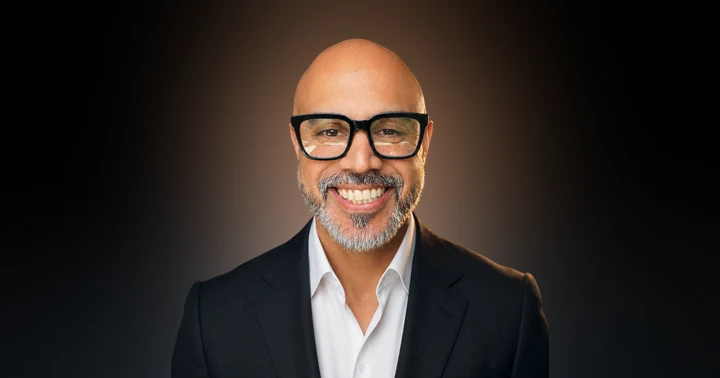
Jerry Coleman is the sports director of 100.7 The Bay in Baltimore and the host of the Bmore Baseball Podcast and Bmore Football Podcast. He has covered Baltimore sports for more than thirty years, including major events such as Super Bowls and Cal Ripken Jr.’s historic 2,131st consecutive game.
Coaching Leadership: Why Better Basketball Starts With Greater Participation