How to Build a Career in Sports Media: Why Persistence Matters More Than a Perfect Plan
A career in sports media can look glamorous from the outside. The audience sees the finished broadcast, the sideline report, the studio desk, the ballpark access, and the opportunity to make a living talking about sports.
What they rarely see is everything required to get there.
Behind nearly every successful sports broadcasting career is a less visible story involving internships, unpredictable schedules, freelance assignments, rejection, layoffs, travel, preparation, networking, and years of accepting opportunities that don't necessarily resemble the job someone originally imagined.
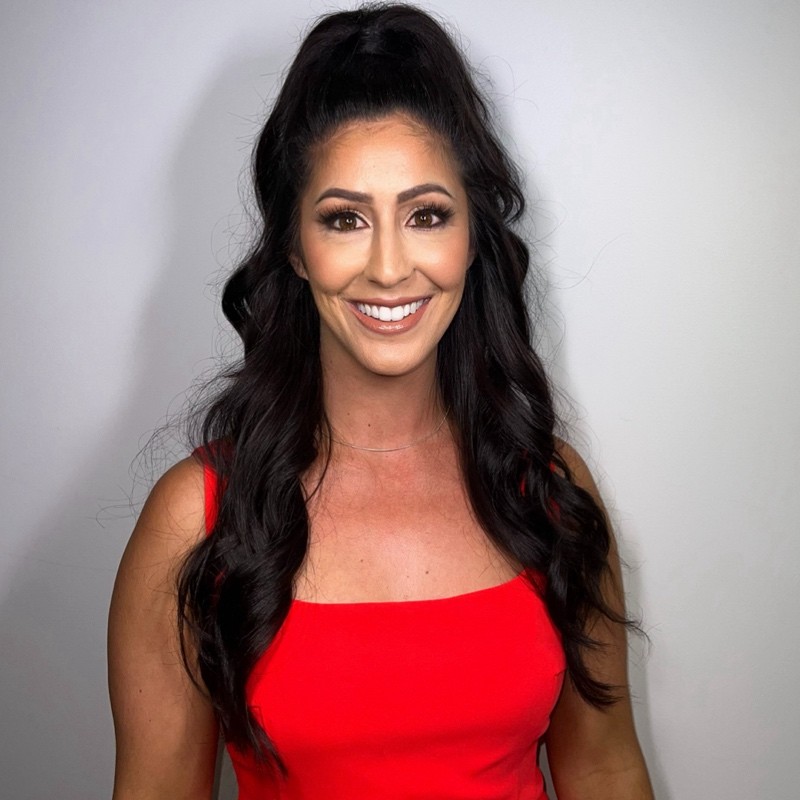
Dani Wexelman's career is a particularly useful example. Today, she works as a St. Louis Cardinals pre- and postgame host and reporter while also hosting on MLB Network Radio on SiriusXM. Her path included minor-league baseball, digital media, production, radio, college baseball, sideline reporting, studio work, unemployment, freelance assignments, and several moments when the logical next step wasn't obvious.
Her experience points toward a larger truth about sports career journeys: building a career in sports media is less about following a perfectly designed path than developing the skills, relationships, resilience, and credibility to keep moving when the path changes.
The Core Problem: Sports Careers Rarely Follow the Plan
Young professionals are often encouraged to think about careers as a sequence.
Get the right degree. Land the right internship. Secure an entry-level position. Work hard. Get promoted. Eventually arrive at the job you've been pursuing.
Sports media doesn't always cooperate with that model.
After graduating from the University of Missouri, Wexelman remained at Mizzou for another semester, taking additional classes while working at KOMU and helping the football program. She then interned with the Harrisburg Senators, the Double-A affiliate of the Washington Nationals.
Even that internship demonstrated one of the realities of working in sports: the job description doesn't always describe the job.
Like many people working in minor-league baseball, she did whatever needed to be done. Digital and social media responsibilities could exist alongside promotional duties, grounds work, mascot appearances, cleaning, and general ballpark operations.
Her career then moved outside traditional sports media when she joined Veterans United Home Loans, where she worked on stories involving military service, homeownership, and sports.
That could have looked like a detour.
Instead, another opportunity emerged.
A friend helped connect her with a freelance MLB.com position in New York for the 2014 season. She paid her own way to interview, landed the opportunity, eventually became full-time, and expanded into editing highlights, producing content, hosting podcasts, appearing on digital programs, and working youth baseball and softball sidelines.
Then, in 2019, she was laid off as MLB consolidated operations.
The career path changed again.
Radio opportunities grew. The pandemic disrupted planned rugby and lacrosse work. SiriusXM became a more consistent part of her career. ESPN opportunities followed, including college baseball play-by-play and sideline reporting at the Men's College World Series. SNY added studio work. Eventually, an opportunity emerged to return home to St. Louis and work with the Cardinals.
There was no straight line connecting those jobs.
There was, however, accumulated experience connecting all of them.
Why Versatility is Important in Sports Careers
Sports media has always demanded adaptability, but career versatility matters even more when professional opportunities can change quickly.
Broadcasting careers are built across television, radio, digital video, podcasts, social platforms, live events, production, reporting, and other forms of sports storytelling. A person who defines success around one title or one medium can unintentionally narrow the opportunities available to them.
The more useful question may be:
What capabilities are you building that remain valuable when the next opportunity looks different from the previous one?
Wexelman's background illustrates that principle.
Producing made her better on camera. Radio strengthened her ability to communicate with authority and personality. Sideline reporting demanded concise storytelling while live action continued around her. Digital production taught her another part of the storytelling process. Minor-league baseball exposed her to the reality that succeeding in sports sometimes means doing work far outside a narrow job description.
Those experiences compounded.
That's important because the visible portion of a sports-media career can create a misleading picture of what professional success actually requires.
The person on television may have spent years producing.
The radio personality may have survived a layoff.
The sideline reporter may have worked minor-league promotions.
The person covering Major League Baseball may have once paid for her own flight simply to interview for a freelance position.
As Wexelman puts it, "Dream chasing is expensive. It's very hard."
That's not a reason to avoid pursuing a sports career. It's a reason to understand what the pursuit actually requires.
What the Evidence Shows
Preparation Is the Invisible Part of Broadcasting
The audience experiences the final product. The broadcaster experiences everything required to create it.
A schedule might include an early three-hour radio show, Cardinals pregame and postgame coverage later that day, several games over a short stretch, draft coverage, air travel, another road assignment, preparation, and the normal responsibilities of everyday life.
Different jobs also require different forms of preparation.
Pregame and postgame hosting may demand stories, statistics, themes, and context. Sideline reporting requires another type of awareness — knowing what is happening during the game, identifying useful information, communicating quickly, and understanding when a story can actually fit within the broadcast.
Then there is the preparation required to express an opinion.
Strong sports commentary isn't simply about being willing to say something confidently. Wexelman emphasizes doing enough homework to ensure opinions have facts and substance behind them rather than relying on exaggerated "shock-jock" reactions.
That distinction matters.
Authority on camera is usually built before the camera turns on.
The Schedule Requires Sacrifice
Sports happen when other people have free time.
That means people working in sports frequently work nights, weekends, holidays, and the exact hours when friends and families are gathering.
Birthdays, weddings, showers, family events, and weekends can compete directly with games and assignments.
Wexelman summarizes the unusual relationship simply:
"People often take a break from their life to watch sports, whereas I take a break from sports to go tend to my life."
For anyone interested in sports broadcasting careers, that may be one of the most important realities to understand.
Loving sports is helpful.
Being willing to structure your life around the sports calendar is something different.
Behind-the-Scenes Experience Can Become an On-Camera Advantage
One of the strongest lessons from Wexelman's career is the value of understanding production.
A broadcaster hears a question and answers it.
A producer may simultaneously be listening to the host, director, graphics operator, technical director, tape producer, and several other people responsible for getting the program to air.
Having worked on that side of the process changes how someone behaves on camera.
It teaches patience.
It improves timing.
It creates empathy for the people behind the scenes.
And it reinforces an important principle of broadcasting: the person viewers see is only one member of the team creating the product.
That knowledge can make on-air talent more collaborative because the objective changes from "How do I make my segment work?" to "How do we make the entire broadcast work?"
Mentorship Matters — but So Does Being Someone Others Want to Help
Sports careers are built through relationships as much as résumés.
Wexelman credits her parents with foundational lessons about constructive criticism, teamwork, listening, failure, risk-taking, and perseverance. University of Missouri mentor Kent Collins became an important influence and connected her with broadcaster Shannon Hogan, who developed into both a mentor and a close personal presence in her life.
Other professional allies emerged through SiriusXM, SNY, and the Cardinals.
But mentorship isn't entirely passive.
Receiving support also requires learning how to be a good teammate.
People are more inclined to advocate for someone who contributes positively, handles criticism constructively, supports colleagues, and makes the people around them better.
Networking, viewed this way, isn't primarily about collecting contacts.
It's about building professional relationships in which trust can accumulate over time.
Key Lessons for Building a Career in Sports Media
Build skills, not just job titles.
A production job, digital role, radio assignment, sideline opportunity, or minor-league internship may not resemble your ultimate goal. Ask what capability each experience allows you to develop. Versatility creates more possible paths forward.
Prepare for the invisible work.
Broadcasting isn't simply talking about sports. Research, travel, timing, logistics, preparation, collaboration, and self-management are part of the profession. The more effortless someone appears on air, the more preparation may have happened beforehand.
Treat setbacks as changes in direction, not necessarily endings.
A layoff can erase a position without erasing the skills, credibility, relationships, and experience you've accumulated. Career persistence often means finding the next useful application for what you already know.
Become someone good people want on their team.
Technical skill matters, but so do reliability, attitude, curiosity, listening, and professionalism. Mentors and colleagues can open doors, but long-term relationships are strengthened through reciprocity.
Expect juggling rather than perfect balance.
Sports schedules are unpredictable. Career growth may happen alongside travel, unusual hours, personal obligations, and several simultaneous roles. Wexelman's description may be more realistic than most work-life advice: "There's no balance. It's just juggling."
Practical Application: A Better Framework for Pursuing a Sports Career
Instead of building your career plan around one dream job, consider building it around five questions.
1. What skills am I actually developing?
Don't evaluate an opportunity only by its title.
Ask whether it develops reporting, writing, producing, interviewing, editing, live broadcasting, research, relationship-building, storytelling, or another transferable capability.
2. What am I learning about the entire production?
People who understand how the full operation works often become more valuable within it.
If you're on camera, understand production.
If you're producing, understand talent.
If you're reporting, understand editing.
If you're working in digital media, understand how the live product gets made.
Seeing the entire system can improve your performance within your own role.
3. Am I prepared for my career to change direction?
A career plan is useful.
A career identity that's too rigid can become limiting.
Opportunities may appear in a different sport, medium, city, organization, or role than expected. The goal isn't to accept everything. It's to recognize when an unexpected opportunity can meaningfully expand your capabilities.
4. Who is learning alongside me?
Not every important career relationship needs to involve a senior executive or famous broadcaster.
Wexelman points to a generation of baseball reporters, writers, and broadcasters who developed alongside one another and now occupy significant positions throughout the industry.
Peers can eventually become collaborators, advocates, hiring managers, sources, connectors, and lifelong friends.
Build relationships horizontally as well as vertically.
5. Can my work survive scrutiny?
Sports media rewards personality, but personality without preparation has limits.
Before making a strong argument, know why you believe it.
Before going on air, understand the subject.
Before chasing visibility, develop something worth noticing.
Credibility compounds just like experience does.
Final Thoughts
The most encouraging thing about a nonlinear sports career may also be the most intimidating: there isn't one correct route.
A minor-league internship can matter.
A production job can matter.
A freelance assignment can matter.
A job outside traditional sports media can matter.
A layoff doesn't erase everything that came before it, and an opportunity that doesn't fit the original plan can still become part of a successful career journey.
The common thread is persistence supported by preparation.
Sports careers are built through accumulated skills, relationships, sacrifices, mistakes, opportunities, and the willingness to keep learning when the next chapter doesn't resemble the one you expected.
You don't need to predict every step of the journey. You need to become more capable with each step you take.
Listen and Share Your Sports Innovation
For more insight into sports-media careers, broadcasting, baseball, and the work behind the finished product, listen to the companion episode of Sports Rule Pod featuring Dani Wexelman:
Then join the Sports Rule Pod community. If you have an idea for a new sports rule change or innovation, submit it for consideration:
Your idea could become the next sports innovation worth putting under the microscope.
Why the Best Sports Careers Rarely Follow a Straight Line